
Choosing the right electrical cable is one of the most important decisions in any residential, commercial, industrial, solar, or infrastructure project. The correct cable helps improve safety, performance, and long-term reliability. The wrong cable can lead to overheating, voltage drop, installation problems, project delays, or rejection by consultants and contractors.
At Egypt Electric Cables, we help clients, contractors, traders, and project owners source suitable cable solutions based on project requirements, technical specifications, and approved standards.
Why Cable Selection Matters
Electrical cables are not all the same. A cable used inside a residential building is different from a cable used in a factory, solar station, fire alarm system, or medium voltage network.
Before requesting a price quotation, it is important to understand the main technical details that affect the cable type, price, availability, and delivery time.
1.Know the Application
The first step is to identify where the cable will be used.
For residential and commercial buildings, common cable types may include building wires, PVC insulated wires, low voltage power cables, control cables, telephone cables, and data communication cables.
For industrial projects, the requirements may include low voltage power cables, armoured cables, control cables, instrumentation cables, fire resistant cables, and medium voltage cables.
For solar projects, the system may require solar DC cables, AC power cables, earthing cables, cable accessories, combiner boxes, inverters, panels, and related installation components.
2.Check the Voltage Rating
Voltage rating is one of the most important cable specifications.
Common examples include 450/750V for building wires, 0.6/1kV for low voltage power cables, and medium voltage ratings such as 6/10kV, 12/20kV, or 18/30kV.
Using the wrong voltage rating may cause technical rejection, safety issues, or non-compliance with project specifications.
-
Choose the Right Conductor Material
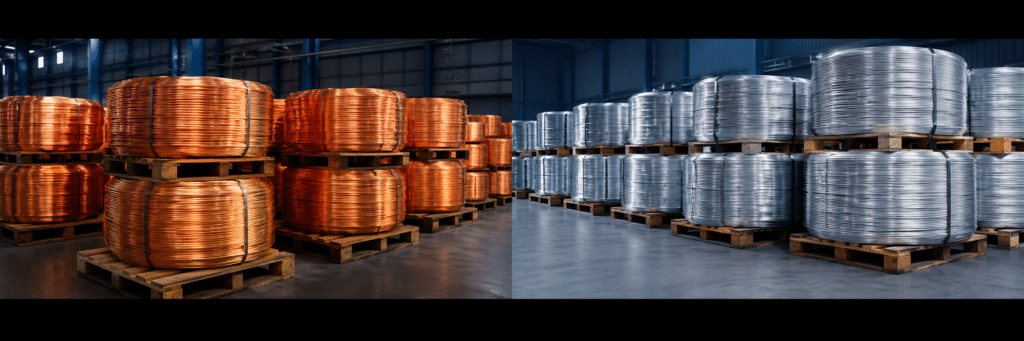
Most power cables use either copper or aluminium conductors.
Copper cables are widely used because copper has strong conductivity and is common in building, commercial, industrial, and special applications.
Aluminium cables are often used in larger power distribution projects where cost and weight are important factors.
-
Confirm the Cable Size
Cable size is usually written in square millimeters, such as 1.5mm², 2.5mm², 4mm², 6mm², 16mm², 50mm², 240mm², or 630mm².
The correct size depends on the electrical load, current rating, cable length, voltage drop, installation method, ambient temperature, and safety factors.
-
Understand Insulation and Sheath Type
Common insulation types include PVC and XLPE.
PVC cables are commonly used in many low voltage applications, building wires, and general electrical installations.
XLPE cables are commonly used for power distribution, industrial projects, and applications requiring better thermal performance.
-
Decide if the Cable Should Be Armoured
Armoured cables include an additional mechanical protection layer.
Armoured cables are commonly used where cables may be buried underground, exposed to mechanical damage, installed in industrial areas, or required by project specifications.
Unarmoured cables may be suitable for protected indoor routes, cable trays, conduits, panels, or areas where mechanical protection is already provided.
-
Check Fire Performance Requirements
Some projects require fire resistant or flame retardant cables.
Fire resistant cables are used in critical systems where circuit integrity must continue during fire conditions for a specific period. These applications may include fire alarm systems, emergency lighting, smoke control systems, evacuation systems, hospitals, airports, tunnels, hotels, commercial buildings, and industrial facilities.
Flame retardant cables are designed to reduce flame spread, but they are not always the same as fire resistant cables.
-
Confirm the Required Standard
Cable standards help define the cable construction, testing, performance, and compliance requirements.
Examples of common cable standards include IEC, BS, EN, and other project-specific standards.
For professional quotations, the required standard should be mentioned clearly. This helps suppliers provide the correct cable type and avoid delays during technical review.
-
Prepare the Correct Information Before Requesting a Quotation
To receive an accurate cable quotation, prepare the cable type, voltage rating, conductor material, cable size, number of cores, insulation type, armour requirement, sheath type, required standard, quantity, delivery location, required brand, project name, required delivery time, and any available datasheet or BOQ.
The more accurate the information, the faster suppliers can provide pricing, datasheets, lead time, and technical compliance.
-
Work With a Supplier Who Understands Project Requirements
Cable purchasing is not only about price. A good supplier should understand technical requirements, datasheets, compliance, delivery time, packing, logistics, and project documentation.
Egypt Electric Cables supports clients by helping them source electrical cables and related accessories for different project types, including residential, commercial, industrial, solar, and infrastructure applications.
Request a Cable Quotation
If you have a BOQ, datasheet, project specification, or cable list, you can send it to Egypt Electric Cables for review.
Our team can help you identify the missing technical details and prepare a suitable quotation request.
Contact Egypt Electric Cables today to request cable supply support for your next project.
Frequently Asked Questions
What information is needed to request a cable quotation?
You should provide the cable type, voltage rating, conductor material, cable size, number of cores, insulation type, armour requirement, quantity, standard, delivery location, and any available datasheet or BOQ.
What is the difference between copper and aluminium cables?
Copper cables usually offer higher conductivity and are commonly used in many building, industrial, and special applications. Aluminium cables are often used in larger distribution projects where weight and cost are important factors.
What is the difference between PVC and XLPE cables?
PVC is commonly used in many general low voltage applications. XLPE is often used for power distribution and applications requiring better thermal performance.
When should I use armoured cable?
Armoured cable is commonly used when mechanical protection is required, such as underground installation, industrial areas, or locations where the cable may be exposed to damage.
Are fire resistant cables the same as flame retardant cables?
No. Fire resistant cables are designed to maintain circuit integrity during fire conditions for a specific period. Flame retardant cables are designed to reduce flame spread, but they may not maintain circuit operation during fire.
Can Egypt Electric Cables supply cables for solar projects?
Yes. Egypt Electric Cables can support solar project requirements including solar cables, power cables, accessories, and related electrical supply items depending on the project specifications.